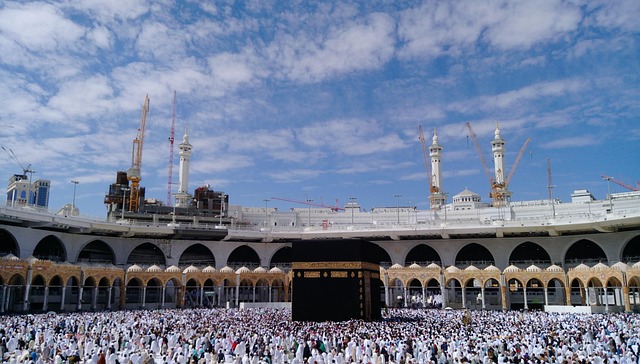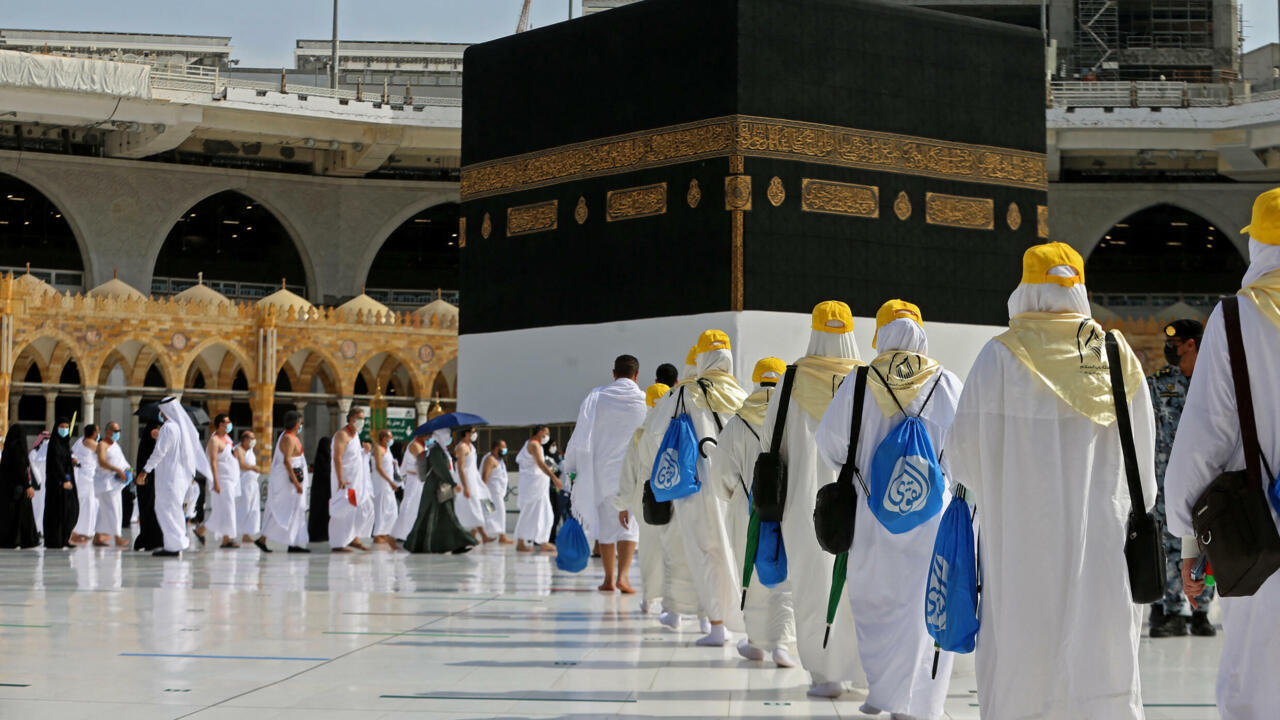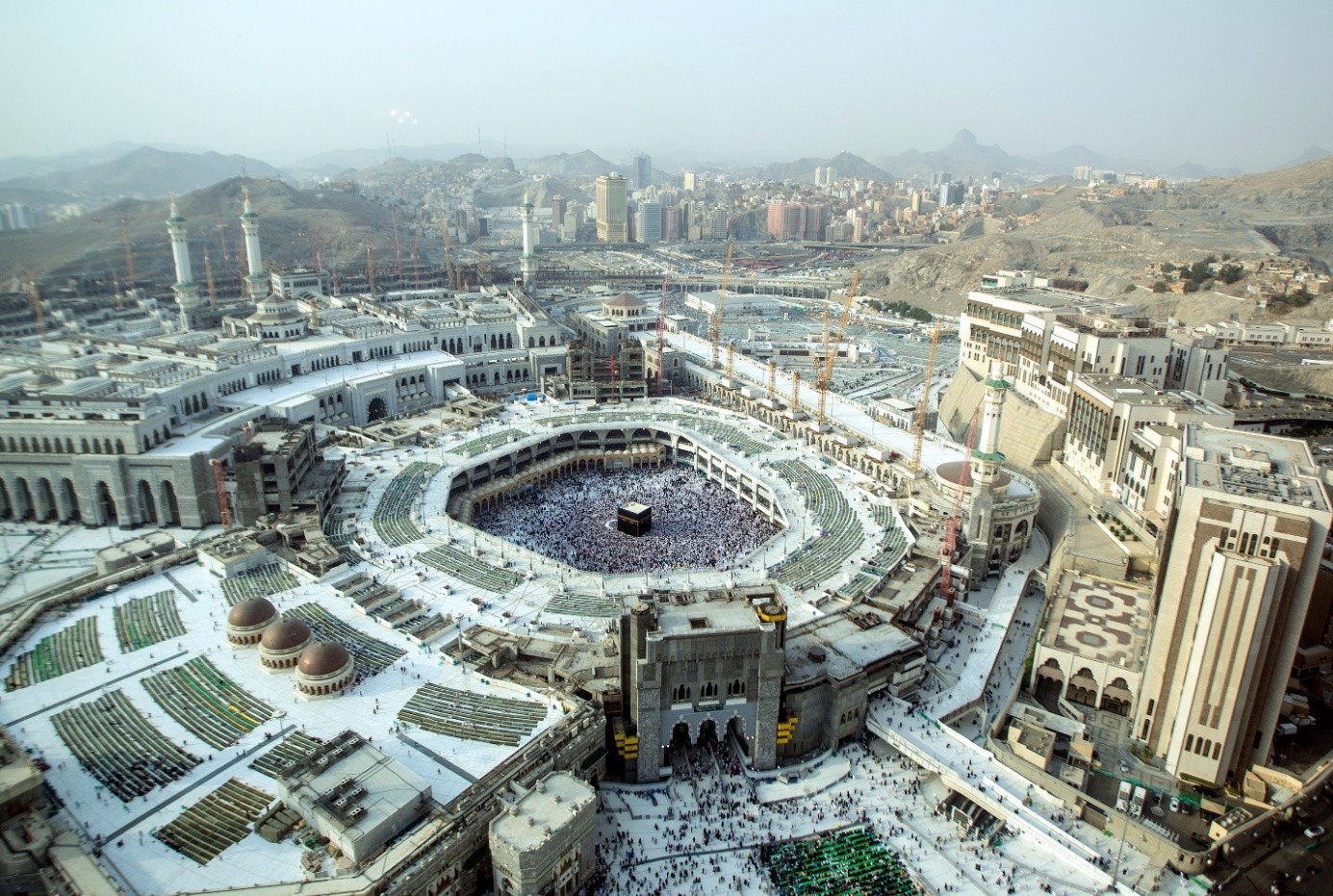
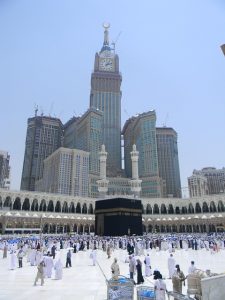
Every year, millions of Muslims from around the world make their way to the holy city of Makka in Saudi Arabia to perform two of the most profound acts of worship in Islam: Hajj and Umrah. These pilgrimages are not just physical journeys, but deeply spiritual experiences that mark a high point in a Muslim’s life, reflecting submission, sacrifice, and unity.
The journey to the House of Allah is a unique invitation, which purifies the heart and calms the soul.
The Quran says—“Perform Hajj and Umrah for the pleasure of Allah.”
What is Hajj?
Hajj is an Arabic word which means determination. Hajj is called Hajj to observe the Shariah in Baitullah, Meena, Arafah, Muzdalifah, Jamarah and Safa-Marwa. Hajj is an obligatory pillar of Islam performed annually during 8 to 12 Dhul-Hijja.
Hajj is the major pilgrimage and one of the Five who is physically and financially capable of undertaking the journey at least once in whole life. Hajj commemorates the actions of Prophet Ibrahim (Abraham), Hagar, and Prophet Muhammad (PBUH), and it symbolizes humility, equality, and the ultimate submission to Allah.Pillars of Islam—making it a mandatory religious duty for every Muslim
Key Facts About Hajj:
Major Rituals of Hajj:
Step-by-step rituals:
How to perform Hajj: Ihram, Tawaf, Sa’i, Arafat, Muzdalifah, Mina, stoning the Jamarat, Qurbani, farewell Tawaf:
6. 11–13 Dhul-Hijjah – Days of Tashreeq
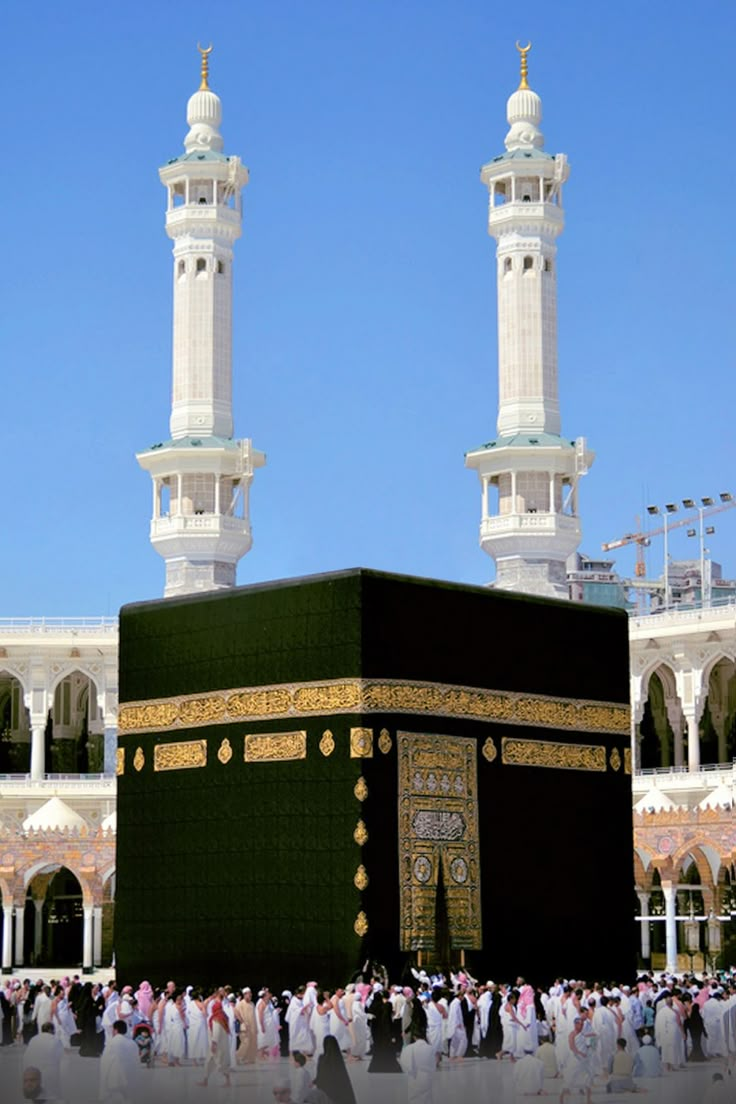
Before leaving Makkah, perform a final circumambulation of the Kaaba
Duas (supplications) during performing Hajj:
Talbiyah (“Labbayk Allahumma Labbayk”): Repeat frequently until the first stoning at Mina.
Duah (supplication):
“Labbayk Allahumma Labbayk, Labbayk la sharika laka Labbayk, Innal hamda wanni’mata laka walmulk, La sharika lak”
“Here I am, O Allah, (in response to Your call), here I am. Here I am, You have no partner, here I am. Indeed all the Praise, Grace and Sovereignty belong to You. You have no partner.”
Upon entering the Sacred Mosque, pilgrims recite: “Allahumma Azillana tahta zilli ‘arshika yawma laa zilla illa zilluk…” which is a prayer for protection and for being given to drink from Prophet Muhammad’s pool.
3. Day of Arafah:
The best Dua on Arafah is the Talbiyah, but other important supplications include acknowledging Allah’s greatness and love to forgive, asking for forgiveness, for Jannah (paradise), protection from Hellfire, and for the Ummah (Muslim community).
4. Day of Arafah (Prophetic Dua):
A powerful Dua to make on Arafah is: “La ilaha illallahu wahdahu la sharika lahu, lahul-mulku wa lahul-hamdu wa huwa ‘ala kulli shay’in qadeer”.
5. Farewell Tawaf:
When making the farewell Tawaf, recite: “Ayibun, ta’ibun, ‘abidun, sajidun, lirabbina hamidun”. Means, “We return, repentant, worshipping, prostrating and praising Allah”.
Significance:
At Shako Tours and Travels, our goal is to achieve the pleasure of Allah through the service of the pilgrims. Not cost, but worship and service are the objective measures of our success. Our specialty is Hajj and Umrah packages. We are committed to our trusted partners in crafting seamless and memorable travel adventures.
What is Umrah?
Umrah, often referred to as the “lesser or minor pilgrimage,” can be performed at any time of the year. It is not obligatory, but highly recommended and spiritually rewarding. Umrah is a sacred journey that holds immense significance in the hearts of all Muslims. It is a beloved Sunnah that offers a unique opportunity to refresh one’s faith and cleanse one’s soul. Pilgrims seek forgiveness, make sincere du’a and aim to gain a closer connection to Allah. The Prophet (SAW) encouraged us to perform Umrah at least once in our lifetime.
Step-by-step rituals of Umrah:
Umrah involves making your intention and assuming Ihram. It is then followed by entering the Masjid al-Haram and performing Tawaf.
When/Where: Before crossing any Miqat (designated boundary around Makkah).
Actions
“O Allah, I intend to perform Umrah. Make it easy and accept it from me.”
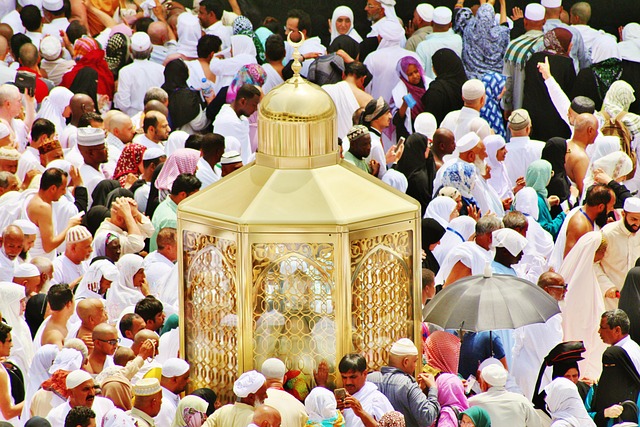
Location: Masjid al-Haram, Makkah
Actions
Actions
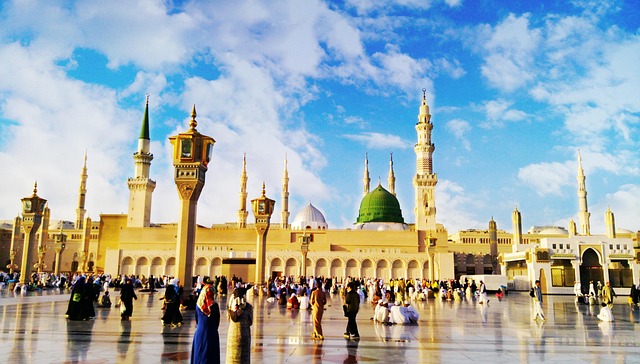
Do and Don’t Do:
Travelling for Umrah:
It’s good to book your trip for Umrah with package provider. There are many tour operators and travel agencies provide Umrah package at affordable price. Umrah packages include all essential services like Air Ticket booking, Visa Processing, Hotel accommodation, Food supply, internal transport between Makka and Medina, Hajj and Umrah Guide, Jiarah of Holy places etc. You need not to worry about any thing, just pay your full attention to your pray/Ibadat and perform your Umrah with full peace.
If you are arranging your Umrah travel without a package provider, you will need a visa to perform Umrah. You can apply for a Saudi tourist visa online. You will also need to book flights to Makkah, plan your travel between Makkah and Madina or to Islamic Historical sites, and also to choose and book a hotel online which is convenient for accessing the Haram Sharif.
Shako Tours and Travels is offering an extensive array of Umrah Packages include all essential services as said above. The price of packages are within your reach, affordable and attractive. We are ready to carry your burden regarding Umrah. You just relax and prepare yourself for performing Umrah.
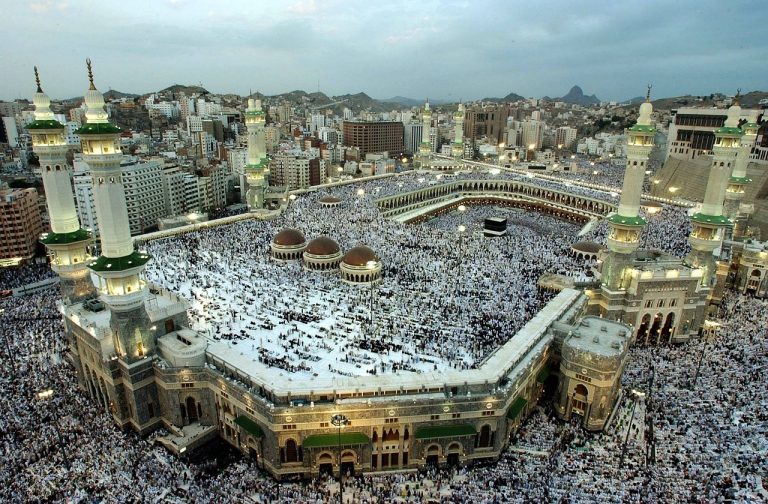
Difference between Hajj and Umrah:
Feature | Hajj | Umrah |
Religious status | One of the five pillars of Islam; obligatory once in a lifetime for every Muslim who is physically and financially able. | A highly recommended Sunnah (voluntary) act of worship; not obligatory, though greatly rewarded. |
Time of performance | Must be performed during specific days: 8th–13th of the Islamic month Dhul-Hijjah. | Can be performed any time of the year. |
Duration | Usually 5–6 days for the full rites. | Can be completed in a few hours. |
Key rites | Includes all Umrah steps plus: stay in Mina, standing at Arafat (Wuquf), night in Muzdalifah, stoning the Jamarat, animal sacrifice (Qurbani), and additional Tawaf (Tawaf al-Ifadah). | Consists of Ihram → Tawaf (seven circuits of the Kaaba) → Sa‘i (seven laps between Safa and Marwah) → Halq/Taqsir (shaving or trimming hair). |
Obligation for those able | Mandatory once in a lifetime. Skipping without valid reason is sinful. | Optional, can be repeated as often as desired. |
Spiritual focus | Symbolizes the complete reenactment of the journey of Prophet Ibrahim (Abraham) and the Day of Judgment; the greatest gathering of Muslims. | Focuses on purification and devotion without the larger communal rites. |
Simple Summary
Both involve visiting the sacred Kaaba in Makkah, wearing ihram, and performing Tawaf and Sa‘i, but Hajj carries the unique status of being a core pillar of Islam.
One of the most beautiful aspects of Hajj and Umrah is witnessing the diversity of the global Muslim community—people of all colors, languages, and cultures praying side by side. It’s a living example of the Islamic principle:
“Indeed, this ummah of yours is one ummah, and I am your Lord, so worship Me.”
(Qur’an 21:92)
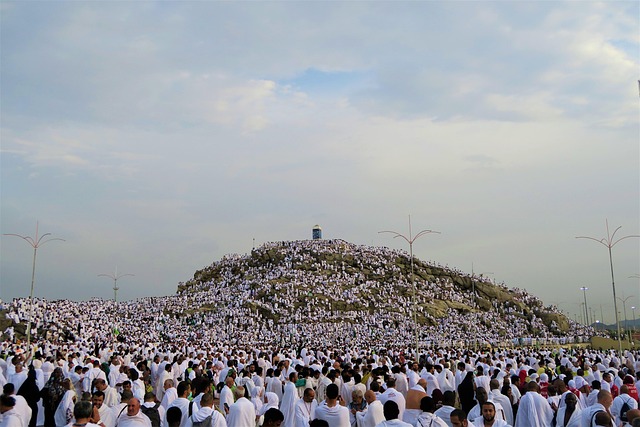
Necessary items for the Hajj pilgrimage:
For Male:
For Woman:
Pilgrimages should be couscous on:
Types of Hajj: There are 3 types of Hajj:
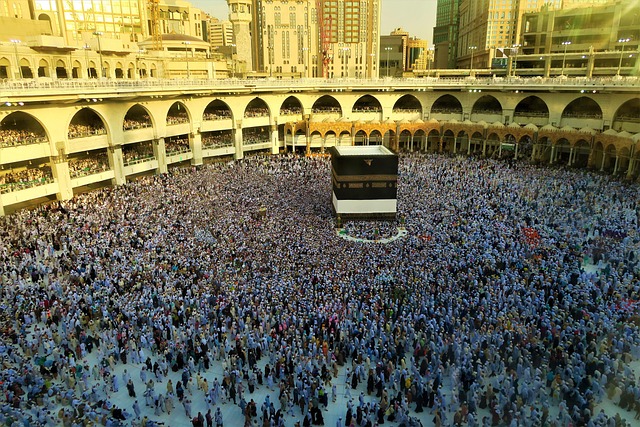
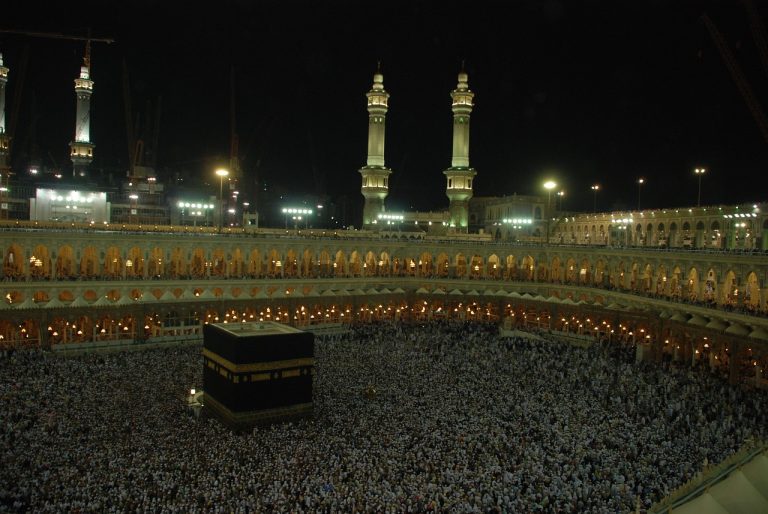
The 3 Faraj / obligations of Hajj:
The 6 wazib of Hajj:
Things that are forbidden to do while in Ihram:
The 2 Faraj/ obligations of Umrah:
The 2 wazib of Umrah:
Performing Hajj and Umrah is laborious Ibadat/worship. It requires strength and good health. If you are planning to go to Makka for performing Hajj or Umrah, it’s recommended that you should make your self fit for the spiritual journey. It is better to perform Hajj or Umrah at a relatively young age than at an older age.
Hajj can be performed under both government and private arrangements. Umrah can only be performed under private arrangements.
Only one category of interested person can perform Hajj under government management. All the money has to be deposited together by the date specified by the government. After depositing the money, the prescribed form has to be filled and submitted to the office of the District Commissioner by the announced date.
Those who will perform Hajj under private management will deposit the money into the bank account of a government-approved Hajj agency. They must execute the contract provided by the Hajj office regarding the cost calculation and the benefits that the agency will provide. There is a possibility of being cheated if you pay money to an agency or caravan that is not approved by the government.
Health Checkup: Every Hajj pilgrim is required to undergo a free health check-up through a medical board constituted by the civil surgeon of their respective district (or by the director of the medical college in districts where there is a medical college).A medical certificate must be collected. It is important to remember that taking meningitis injection is mandatory. If meningitis vaccine is not available at the district level, the injection can be taken from the medical board at the Hajj camp after reporting to the Hajj camp. No one can go for Hajj without a medical certificate.
Police Clearance: As per the requirements of Saudi authorities, Hajj pilgrims are required to obtain police clearance prior to their departure for Hajj. Government management. For Hajj, the District Administrators send the list of Hajj pilgrims to the Superintendent of Police for clearance, and the police authorities send the clearance directly to the Hajj Office in Dhaka through the District Administrators or through special envoys. The Hajj agencies themselves will submit the list of those who go for Hajj to the Hajj Office in Dhaka by the specified date. The Hajj Office in Dhaka will send the said lists to the concerned districts through the special police wing established in the Hajj camps and take measures to collect the clearance.